



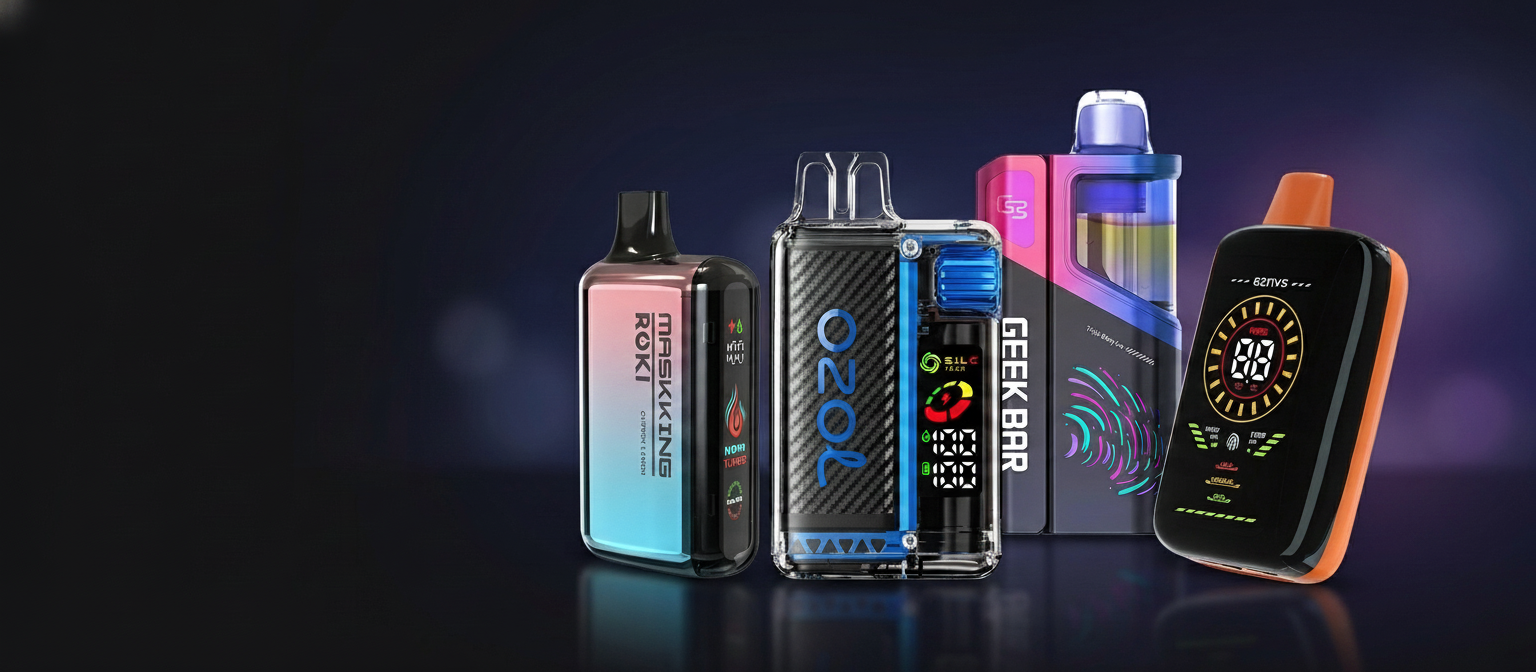
Twelve bucks here, twelve bucks there. It feels like loose change when you’re grabbing a cheap vape bar at the counter on a Tuesday afternoon. But check your banking app at the end of the month—that daily habit is quietly bleeding cash out of your account. Standard 5,000-puff disposable vapes are a terrible deal for daily vapers, period.
The math changes completely once you look at high-puff rechargeable setups. Slapping a fast USB-C port onto a massive juice tank solves the single biggest issue with older disposables: getting stuck with a dead battery while there’s still a bunch of good e-liquid left trapped inside.

What to Look for in a High-Capacity Setup
Shopping around for a device that won’t die on you in three days? Focus on these practical specs before spending your cash:
- Real E-Liquid Volume: Ignore the flashy puff numbers printed on the front. Make sure the device actually packs a large liquid tank rather than just hype.
- Matched Battery Power: Look for a sturdy rechargeable cell that takes multiple USB-C charge cycles without giving out before the juice tank goes dry.
- Dual Mesh Heating Elements: Dual mesh grids cook the liquid evenly across a wide surface, keeping your hits warm and full of flavor to the last drop.
- Solid Manufacturing & Compliance: Well-built outer shells prevent pocket leaks, while full factory compliance ensures the hardware meets safety standards across global markets.
The Hidden Trap of Non-Rechargeable Disposable Vapes
To understand why traditional disposables waste so much cash, you have to look at how they fail. Older designs operate on a single countdown: once the built-in battery runs out, the device is done. It doesn’t matter if there’s still 30% of your favorite fruit flavor sitting inside the tank—without a way to charge it, that leftover liquid goes straight into the trash.
Rechargeable disposables completely flip that script. The daily cycle changes from a wasteful toss to a dead-simple routine:
Vape → Recharge → Keep Vaping → Toss Only When Truly Empty
Being able to throw the unit on a standard charger means you extract every last drop of e-liquid you paid for.
Breaking Down the Annual Spending Math
Run the numbers on a quick napkin—the totals get ugly fast. Buying four basic $12 vape bars every single week means dumping $48 out of your wallet every seven days. Multiply that over fifty-two weeks, and you’re casually handing over nearly $2,500 a year just to stay stocked on low-puff bars.
Switching over to a heavy-duty rechargeable tank completely breaks that cycle. Since a single massive device holds enough juice to last weeks between shop runs, you end up buying a fraction of the hardware over the same twelve months. Even if a high-puff unit costs a bit more up front, dropping your annual purchase volume in half keeps over a grand sitting in your bank account. You finally stop paying for fresh plastic shells and lithium cells every three days.
Why High Puff Count and Rechargeability Need Each Other
Huge liquid tanks and USB-C charging ports are useless on their own—they only make sense when built together.
Think about it this way: if a factory dumps 25 mL of e-liquid into a disposable without a charger, they’d have to stuff a massive battery inside just to finish the tank. You’d end up lugging around a heavy brick in your back pocket. Put a tiny battery in that same big tank, and it dies halfway through, leaving a third of your juice permanently trapped. Adding a Type-C port lets engineers keep the device body slim while making sure every drop of liquid actually gets used.
Stop Looking at Box Prices—Calculate the Usage Cycle
A cheap $10 price tag printed on a packaging box is easily the biggest illusion in the vape market. If that $10 device dies in two days while a $20 rechargeable device lasts you two full weeks, the “cheaper” option is actually ripping you off.
Smart buyers calculate total ownership cost instead of chasing initial shelf prices:
Annual Cost = Number of Devices Purchased Yearly x Unit Price
When you run those numbers based on actual usage days rather than advertised promises, high-capacity rechargeables win the value argument every single time.
What This Shift Means for B2B Wholesale and Distributors
This market transformation isn’t just a win for daily consumers; it gives vape distributors and retail smoke shops a far stronger business strategy. Instead of competing in a race to the bottom on cheap $5 disposables with paper-thin margins, distributors can focus on selling true value: longer device lifespan, less customer frustration over dead batteries, and superior flavor retention.
That focus on engineering reliability is precisely how JHS Vape approaches global product manufacturing. By matching high-capacity juice reservoirs with durable, rechargeable battery designs, JHS Vape builds hardware that handles weeks of continuous daily use without flavor fading or coil burn. For international vape brands and wholesale partners, JHS Vape provides complete OEM and ODM customization services—helping businesses bring compliant, high-margin, high-capacity rechargeable lines directly to their target markets.
Can making the switch to a high-capacity rechargeable setup really keep hundreds of dollars in your bank account every year? Absolutely. If you are someone who hits a vape regularly throughout the day and finds yourself driving to the smoke shop multiple times a week, reducing your total device replacement count is the fastest way to slash your budget.
At the end of the day, it comes down to a simple mindset shift. Don’t ask how cheap a device is when you pick it up off the counter. Ask how many weeks of use that device will actually deliver before you need to buy another one.