





The Hard Truth About Off-the-Shelf Hardware
Buying off-the-shelf vapes straight out of a supplier’s PDF catalog is a quick way to kill your wholesale margins. When three other regional distributors are pushing the exact same plastic chassis with different logos, your only option left is undercutting prices. Building a custom disposable vape line is really about self-defense—it lets you control outer surface finishes, airflow resistance, liquid volume, and internal PCB logic.
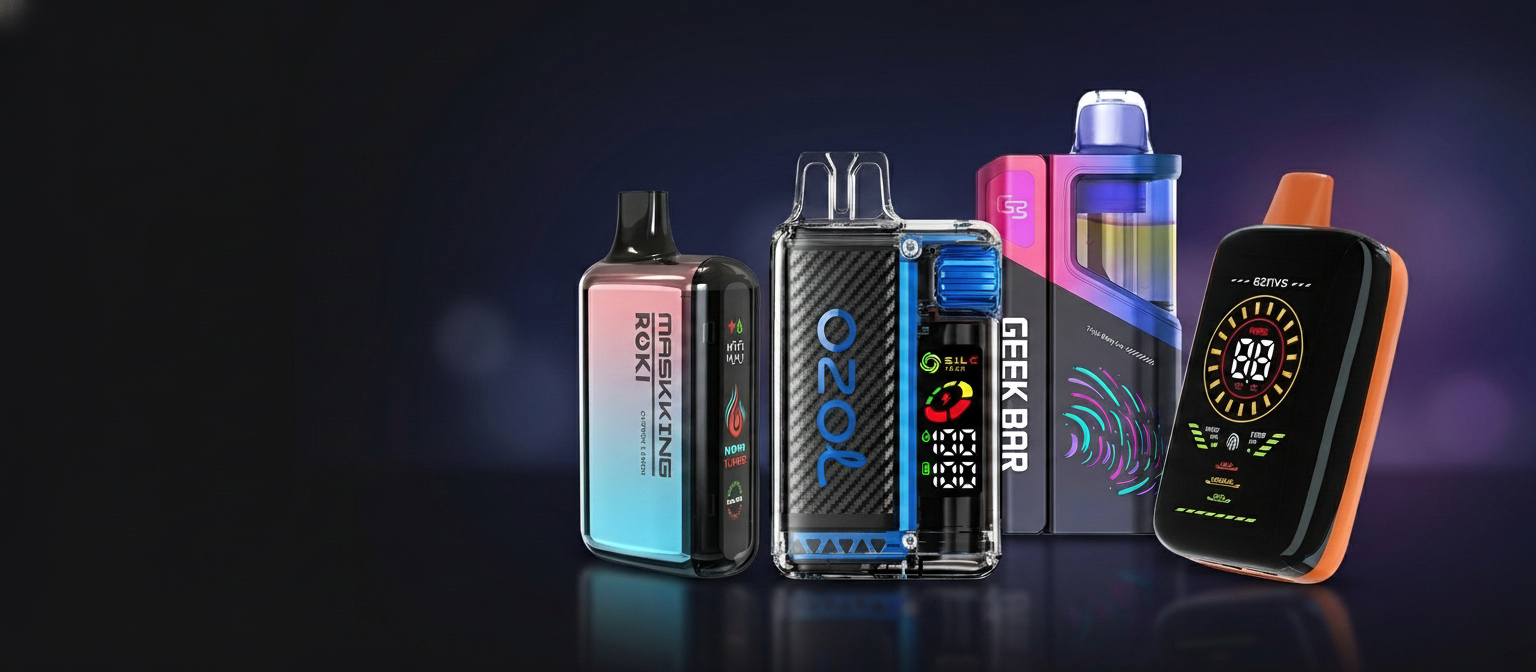
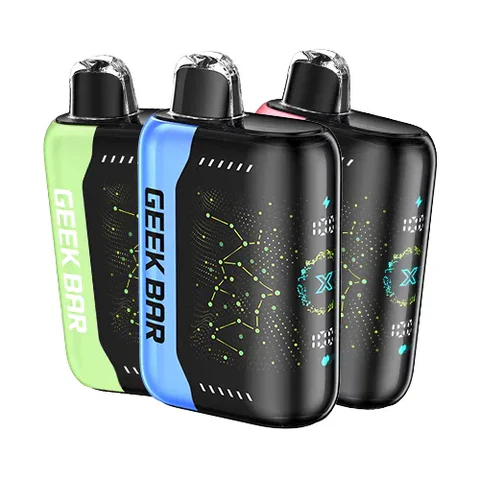
Look at how Geek Bar Pulse took over North America or how Lost Mary OS5000 scaled globally. They didn’t win by filling generic tubes with sweet juice. They changed the game with custom dual-core chips, full-screen UI animations, and unique flask-style injection molds that competitors couldn’t instantly clone off Alibaba. But moving from a 3D CAD rendering to 100,000 units packed on shipping pallets gets messy fast. Most brand owners burn cash on bad sample runs, surprise steel mold bills, or factory delays. Getting it right takes a clear-eyed look at how Chinese assembly lines actually run, who owns the tooling, and how to spot bad solder joints before wiring your 30% deposit to Shenzhen or Dongguan.
OEM Sourcing vs Full ODM Build: Which One Fits Your Bank Account?
Before transferring deposits or signing engineering paperwork, figure out if your business actually needs quick white-labeling or long-term steel tooling.
- OEM Path ── Standard Factory Chassis ── Ships in 3-4 Weeks
- ODM Path ── Private Steel Injection Molds ── Exclusive Market Moat (8-12 Weeks)
The Fast OEM Route (White-Label) If you need hardware on store shelves in a hurry without dropping $15,000 to $25,000 upfront on steel molds, go OEM. You pick a factory’s stress-tested chassis (like a standard 15k puff frame). From there, you swap out outer materials—moving between rubberized soft-touch paint, faux-leather wraps, or anodized aluminum alloy. You can also adjust coil resistance (0.8Ω vs 1.2Ω) and specify your pre-filled juice formulations. Upfront development costs stay near zero, and cargo gets onto cargo planes or container ships in about 3 to 4 weeks.
The Full ODM Route (Private Tooling) To build a distinct brand identity that competitors can’t clone overnight, full ODM is the only real path. Your factory team drafts custom ID renders, cuts private steel injection molds, routes custom airflow pathways, and writes tailored PCB software. Steel tooling takes 8 to 12 weeks and requires bigger upfront capital, but owning private molds keeps cheap clones from undercutting your wholesale price points.
Hardware Specs: Materials, Coils, and Chipsets
A solid custom disposable vape build means getting internal engineering to line up with your outer branding. Picking cheap raw materials usually leads to leaking units when freight sits in hot warehouses or experiences air-freight pressure drops.
- Aluminum Alloy vs PCTG Plastics: Extruded aluminum (seen on classic builds like Juul and high-end modern pods) gives devices a heavy, solid hand-feel while pulling heat away from the battery. Food-grade PCTG is essential for clear oil windows, ergonomic mouthpieces, and vivid dual-injection color gradients. Leather wraps add a tactile grip that premium retail vape shops actively ask for.
- Coil Engineering & Market Flavor Profiles: Coil resistance has to match your target region’s draw style. Sub-ohm dual mesh setups (0.6Ω – 0.8Ω) are tuned for wide-open airflow and heavy cloud output—perfect for North American and Middle Eastern markets. Standard mesh coils (1.0Ω – 1.2Ω) deliver a tighter mouth-to-lung (MTL) draw optimized for high-strength nicotine salts across European TPD-compliant networks.
- Smart Displays & Microcontrollers: Basic draw-activated sticks without power feedback are pretty much dead in today’s market. Building a rechargeable disposable line with smart PCB chips lets you feature real-time oil indicators, accurate battery percentages, and custom branded startup logos on every draw.
The Reality of Factory Timelines and Pre-Shipment Quality
Taking private-label hardware from CAD files to mass production requires sticking to a strict schedule. Missing a single validation step often leaves you stuck with defective inventory.
Industrial designers draft shell dimensions and internal component layouts first. The factory then produces 3D-printed mockups and functional hand samples to verify hand-feel and draw resistance. For ODM projects, technicians cut steel injection molds next, running T1 test shots to check plastic tolerances. Sample units fill with your custom juice profile and go straight into 50°C aging ovens for 72 hours to test wick saturation and silicone seals. Only after golden samples get written sign-off do cleanroom assembly lines start mass production.
Protecting your brand overseas comes down to hard contractual boundaries and hands-on QC:
- Mold Ownership Contracts: Make sure agreements state explicitly that all steel injection molds belong 100% to your company and cannot be used for third-party client runs.
- Vacuum Chamber Leak Tests: Require factories to run production samples through negative pressure vacuum chambers to simulate cargo hold pressure drops during air transport.
- Automated Optical Inspection (AOI): High-tier plants use automated cameras on assembly lines to check print alignment, LED screen function, and solder joint quality on every disposable pod device.
- Master Box Strapping: Confirm bulk cargo packs in heavy 5-ply corrugated cartons bound with plastic strapping, carrying scannable batch-tracking QR codes linked directly to factory production logs.
Ready to Launch Your Custom Line?
Investing in a tailored custom disposable vape lineup gives your brand real control over retail margins, customer loyalty, and long-term market positioning.
Looking to turn your custom hardware concepts into production-ready inventory with a trusted manufacturing partner? Explore custom OEM/ODM solutions, factory capabilities, and bulk volume terms over at JHS VAPE.