







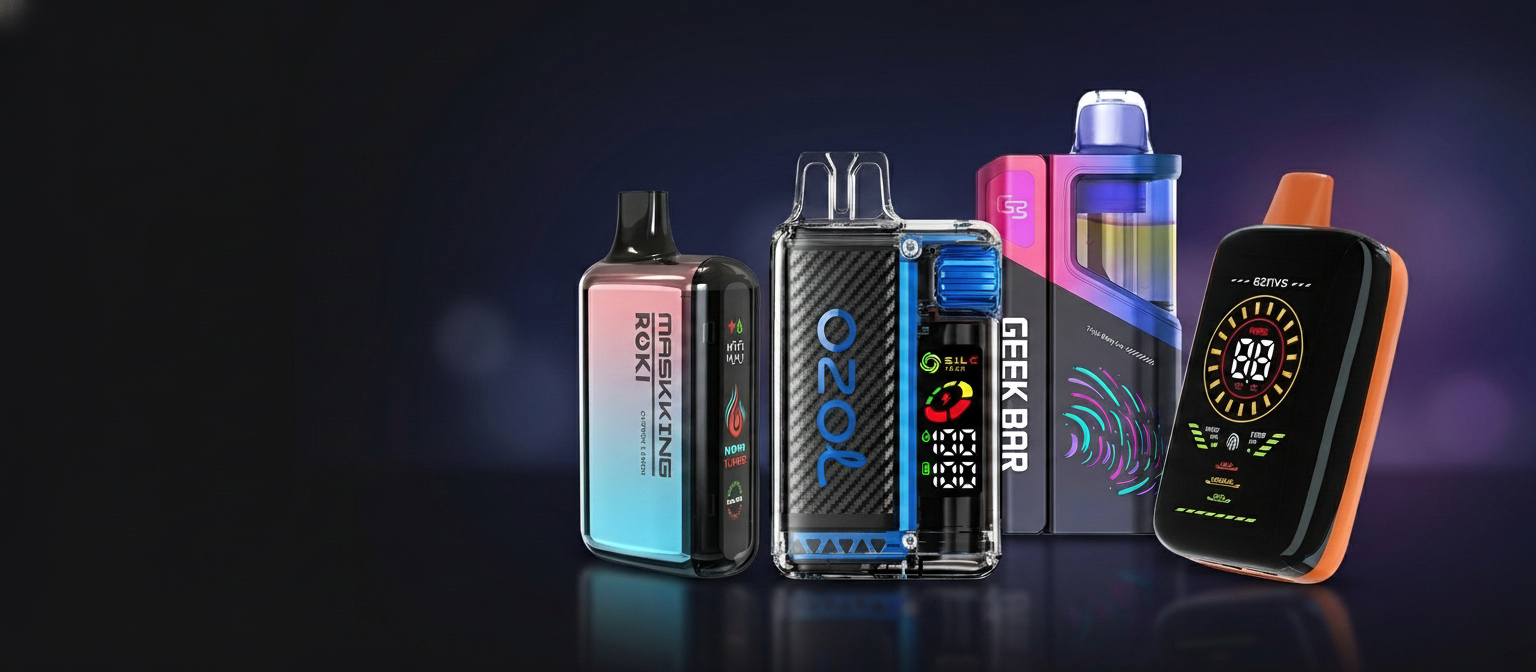
Faulty stock ruins retail margins faster than slow sales. If you buy inventory for smoke shops or wholesale networks, testing internal hardware quality on every disposable vape pen batch is the only real way to protect your business. Customers today expect large-capacity units to last weeks, and bad battery chips or leaking coils lead straight to refunds, bad reviews, and lost walk-in traffic.
Taking a closer look at internal component specs before sending purchase orders stops broken devices from reaching your shop floor.
Part 1: Managing Vape Battery Safety in High-Capacity Hardware
Large disposables rely on high-capacity power cells that get recharged multiple times before the juice runs out. Cheap battery setups trigger safety risks and voltage drops that kill flavor early.
- Cell Grade Counts: Factories cutting costs often buy low-tier ternary lithium cells. Always demand Grade-A pure cobalt cells so your rechargeable vape pen inventory maintains steady power across every recharge cycle.
- Overcharge Protection Circuits: Every rechargeable vape pen on your shelves needs a microchip BMS that stops power input automatically when full. This prevents cell swelling if customers leave devices plugged in overnight.
- Vape Battery Safety Cutoffs: Built-in heat sensors shut down power draw if the battery gets too hot during heavy usage.
Part 2: Heating Elements: Ceramic Core Vape vs. Cotton Coil
Picking between heating systems comes down to matching coil design with your e-liquid or oil thickness.
The Ceramic Core Vape Setup
- Best For: High-viscosity oils and thick concentrates.
- Key Advantage: Uses micro-porous ceramic blocks to spread heat evenly across the surface. This stops dry hits and keeps taste clean until the reservoir is empty.
- Lifespan: High heat resistance stops the core from breaking down over extended use.
The Cotton Coil Setup
- Best For: Fast-wicking nicotine salts and regular e-liquids.
- Key Advantage: Organic cotton wrapped around dual-mesh wire offers quick wicking and instant flavor production right after opening.
- Lifespan: Requires steady juice flow so the cotton doesn’t singe during rapid consecutive draws.
Part 3: Airflow Architecture & Leak Prevention
Leaking devices drain shop profits and annoy buyers. Most liquid leaks happen when bad airflow routing lets condensation build up around internal electronics.
- Isolated Air Sensor Chambers: The auto-draw sensor should sit in its own side pocket, away from the central air tube. This prevents liquid buildup from causing dangerous auto-firing.
- Dual-Channel Cooling: Split airflow pathways cool the mesh coil down fast right after each hit, stopping residual heat from thinning out liquid in the tank.
- Silicone Seal Layers: Thick silicone gaskets placed at the mouthpiece and bottom air intake hold internal pressure tight during shipping and hot weather.
Part 4: Retail Buyer Quality Control Checklist
Run sample units through these basic checks before paying factory deposits:
- Paperwork: Verify the supplier holds UN38.3, MSDS, and CE battery testing certificates.
- Charging Test: Plug in the rechargeable vape pen sample to make sure the Type-C port charges cleanly without warming up the outer body.
- Coil Match: Confirm whether the internal structure uses a cotton coil or ceramic core vape layout based on your liquid type.
- Outer Carton Strength: Ensure goods ship in 5-ply corrugated master boxes bound with plastic straps.
- Batch Tracking: Make sure master cartons carry scannable QR stickers linked to official brand verification sites.
Upgrade Your Retail Supply Chain
Stocking hardware built around proper vape battery safety and solid airflow engineering cuts down customer returns and protects store profits.
Need reliable, high-turnover hardware built to tight quality standards? Check out current wholesale stock and volume rates directly over at JHS Vape.