







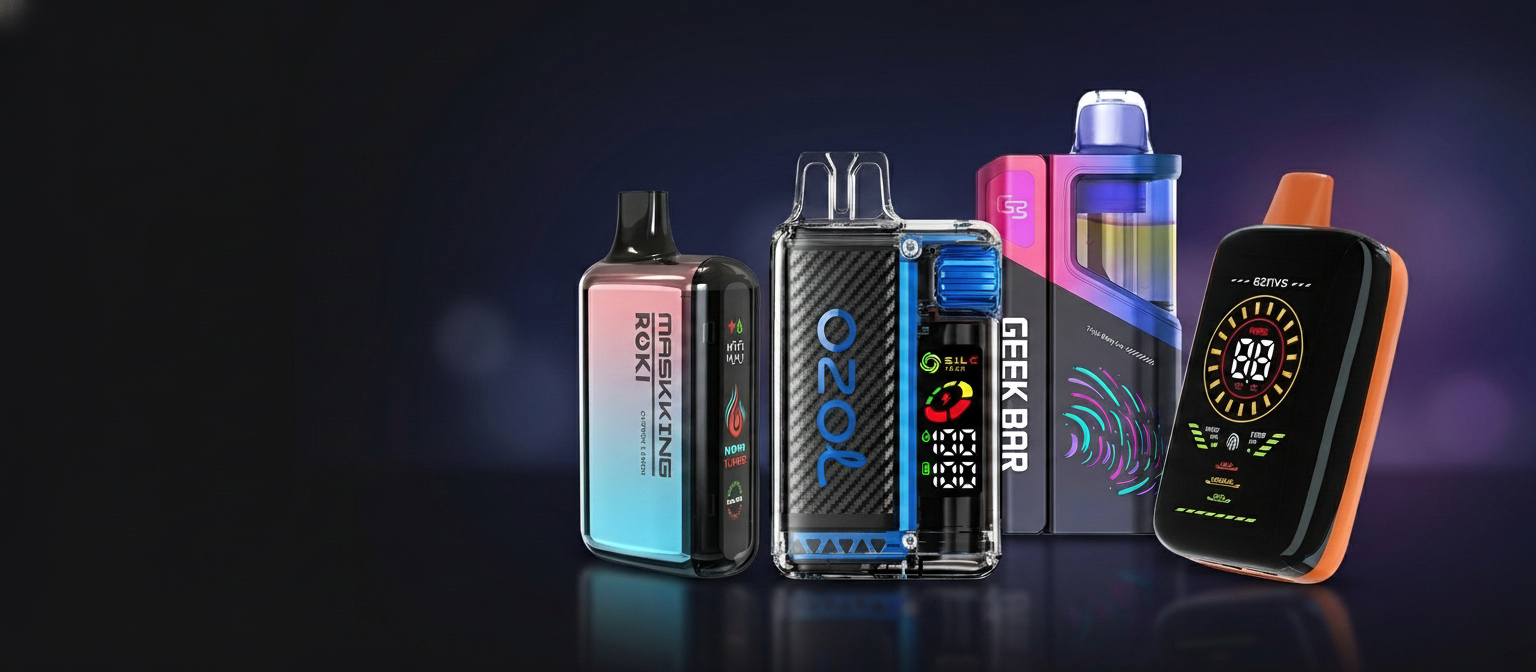
Stocking the wrong vape hardware format wrecks retail cash flow and raises customer return rates.
The wholesale market currently splits into two distinct operational categories: small single-use disposables and high-capacity rechargeable units. Deciding how to split your purchasing budget on JHS VAPE comes down to turnover speed, shipping logistics, and ticket size.
Here is the straightforward breakdown of how both hardware styles perform on shop counters.
Fully Disposables: The Fast-Moving Low Puff Option
A fully disposable vape has a fixed battery paired with a smaller juice tank. There is no charging port. Once either the battery or the juice runs out, the unit is dead.
Why Retailers Want Them: They are cheap, simple, and require zero customer support. Casual buyers love them because they don’t have to carry a charging cable around.
The Profit Reality: Because the retail price tag is lower, you make your money on volume and high repeat purchases. A customer buying a 2,000-puff single-use device will be back in your shop three days later to buy another one.
The downside? If you are supplying heavy daily vapers, selling small non-rechargeable units gets expensive for them quickly, and they will look for larger hardware.
Rechargeable Disposables: The High-Puff Profit Engine
Rechargeable disposables are built around massive e-liquid capacity—from 15ml all the way up to 20ml or more. Because a small battery can’t vaporize that much juice on a single charge, the hardware includes a Type-C port so the user can top up the battery three or four times before the juice tank finally runs dry.
Why Customers Demand Them: Pure value per puff. Buying one 20,000-puff device costs way less than buying five separate mini vapes.
The Wholesale Reality: These units carry higher unit costs, but they yield a much higher single-transaction value. You sell fewer total physical units per week, but your revenue per customer ticket goes up significantly.
The main risk with rechargeable units is customer user error. If a customer uses a high-wattage fast charger, they can occasionally fry the internal coil and complain about a burnt taste. Clear packaging notes or brief staff explanations at the register easily fix this issue.
How to Balance Your Inventory
Never bet 100% of your budget on a single format. Your optimal shelf mix depends entirely on your target audience: High Traffic, Tourist, or Nightlife Spots: Stock heavier on compact, non-rechargeable or low-puff models. People on a night out want convenience; they do not want to hunt for a wall outlet or carry cables. Residential Shops and Regular Commuters: Stock heavily on high-puff rechargeable hardware. Daily vapers want maximum e-liquid volume so they don’t have to buy a new device every few days.
Sourcing Both Formats Through JHS VAPE
Trying to balance your inventory across different factory catalogs can quickly turn into a logistics headache.
At JHS VAPE, we solve this by stocking factory-direct batches across both ends of the spectrum:
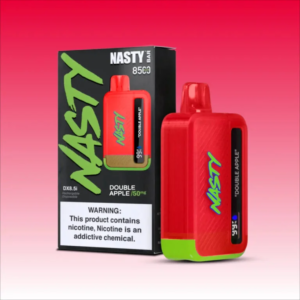
- Small & Mid-Puff Daily Drivers: If you need compact, fast-moving stock for impulse buyers, you can pick up models like the Nasty Bar DX8.5Ki.
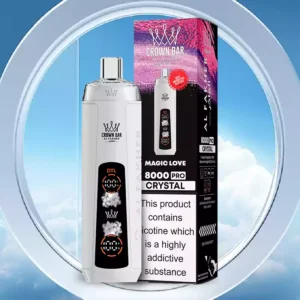
- Heavy High-Puff Monsters: If your local market is demanding maximum longevity, our catalog covers high-capacity regional favorites like the Al Fakher Bulk shisha line or the high-volume RandM Bulk series.
Instead of splitting your purchasing power across multiple vendors, ordering your full mix through JHS VAPE lets you consolidate shipping costs, lock in tier-one bulk pricing, and keep your shelves stocked with fresh factory production.
Frequently Asked Wholesale Questions (FAQ)
Q1: Do rechargeable vapes get returned more often?
Not for factory defects, but for user error. Smokers plug these units into 65W laptop fast chargers. That fries the small chip inside and burns the coil instantly. Tell your shop buyers to use a plain 5V/1A brick or a laptop USB port. That keeps return rates under 1%.
Q2: Why keep stocking old-school non-rechargeable vapes?
Impulse sales. Gas stations, bar counters, and music festivals sell them fast. Buyers on a night out do not carry Type-C cables around. They want a foil pack they can rip open, hit immediately, and toss in the trash when it blinks.
Q3: Which option puts more real profit in the bank?
Small non-rechargeable units give you higher percentage margins per piece. But high-puff rechargeable units bring in higher total cash dollars per sale. Selling one 20,000-puff device gets you more immediate cash flow today than waiting for a customer to buy five small ones over two weeks.
Q4: Any customs or shipping delays with rechargeable stock?
High liquid volume mixed with built-in lithium batteries triggers strict hazmat air freight checks. If paper certs miss a single page, customs halts the entire shipment. When you book cargo through JHS VAPE, we clear all DG flight paperwork and import routes on our end before the plane takes off.
Q5: How many times can a customer plug these in before the oil runs out?
The internal 500mAh to 800mAh battery cell handles about 3 to 5 quick charge cycles. That gives enough juice to vaporize a full 18ml to 20ml tank down to the bottom without leaving un-vaped oil behind.
Need Help Setting Up Your Next Stock Order?
Not sure which format is moving fastest in your region? Head over to the main JHS Vape Shop to check out our full bulk catalog, or contact our sales desk today for real-time market data on what’s shipping best to your port!