








When launching a retail storefront or a localized e-commerce platform, mastering vape wholesale sourcing involves far more supply chain complexity than most first-time entrepreneurs anticipate. In a highly competitive market, your retail survival isn’t determined by your storefront aesthetics; it is decided entirely on the back-end of your vape shop wholesale ledger. Getting this procurement strategy right within the first ninety days directly dictates whether a cash-flow-sensitive startup survives to its second year. This guide dissects the practical logistics of retail inventory structuring, supplier vetting, and long-term risk mitigation for new retail businesses.
Aligning Compliance Infrastructure with Sourcing Architecture
A critical trap for new retailers is initiating wholesale purchasing conversations before finalizing their regulatory footprint. Sourcing product without an absolute, airtight understanding of localized retail tobacco and specialized electronic licenses risks completely wasting your startup capital.
Local statutes do more than govern your physical location—they actively dictate the physical parameters of your legal inventory. Depending on your destination market, you will face strict legal ceilings on nicotine concentration percentages, container fluid capacities, and specific flavor profiles. Approaching production partners with a clear, verified checklist of your local compliance mandates prevents the costly mistake of importing non-compliant inventory that custom officials will immediately impound at the border.
The Reality of Market Research vs. Global Trends
Every localized retail market operates on its own micro-trends, shaped entirely by local demographics, competitor density, and shifting preferences in hardware footprints. A common rookie mistake is executing a massive opening bulk order based purely on what flavors or puff-count tiers are trending globally on social media.
Understanding your market requires looking past superficial trend reports to analyze regional price sensitivity:
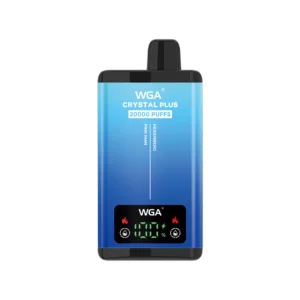
- The Premium Segment: Demands advanced, high-puff disposable systems featuring integrated control displays, dual-mesh coils, and premium flavor formulations.
- The Value Segment: Prioritizes cost-per-puff efficiency and predictable, high-turnover hardware form factors.
Balancing your initial capital across these segments determines your opening inventory turnover speed. If your capital is locked up in slow-moving, high-margin premium devices while your customers are screaming for high-turnover, budget-friendly options, your retail venture will face immediate cash-flow bottlenecks.
Shifting from Middlemen to Factory-Direct Sourcing Pipeline
The wholesale landscape is saturated with multi-tiered broker networks and third-party jobbers who survive by adding markups to factory outputs. For a new retail shop operating on tight margins, relying on these middlemen severely limits your pricing flexibility and exposes you to the massive risk of unauthorized product clones or counterfeit hardware.
| Sourcing Model | Supply Chain Journey | Cost & Inventory Control |
| Traditional Broker Sourcing | Factory → Master Distributor → Regional Middleman → Retail Shop | High Cost / Low Control (Inflated margins and high risk of outdated or clone stock) |
| Modern Factory-Direct Sourcing | Direct Sourcing Platform → Retail Shop | Low Cost / Full Batch Control (Direct access to authentic, freshly manufactured hardware) |
To insulate your inventory from these supply chain vulnerabilities, strategic retailers are bypassing traditional trading companies in favor of direct factory integration. According to operational metrics from established manufacturing platforms like JHS VAPE, sourcing directly from the production origin gives new retailers two critical commercial advantages:
1. Verification of Batch Authenticity
Dealing directly with an established factory guarantees that every device on your shelves is brand-authorized, structurally sound, and assembled using certified battery cells and traceable raw ingredients. This eliminates the catastrophic liability of selling volatile, poorly manufactured clones that ruin customer retention.
2. Flexible Trial Logistics for Startups
While master brokers demand massive minimum order quantities (MOQs) that crush a new shop’s budget, factory-direct pipelines like JHS VAPE routinely offer flexible, multi-flavor trial allocations. This allows a first-time buyer to split a modest opening order across a diverse mix of flavor baselines and puff-count capacities, providing the data needed to test local market response without over-committing capital to unproven SKUs.
Structuring the Opening SKU Matrix
When building your opening inventory layout, the goal is curation, not exhaustion. Attempting to carry every brand, colorway, and flavor variant available on the market spreads your capital too thin, leaving you with single-digit stock levels on fast-moving products and excessive, dust-gathering overstock on niche profiles.
A resilient opening matrix splits your purchasing power into a balanced ratio:
- The Anchors (60-70%): Highly recognizable, standard-compliant brands and predictable flavor profiles (such as core tobaccos, mints, and mainstream fruits) that customers actively hunt for.
- The Differentiators (30-40%): High-margin, emerging hardware configurations or exclusive factory-direct lines that distinguish your shop from neighboring competitors who only stock generic broker catalogs.
Data-Driven Reordering and Lead-Time Management
The moment your doors open, your procurement strategy must transition immediately from guesswork to real-time sales tracking. Do not reorder your initial mix out of habit. Analyze your Point-of-Sale (POS) metrics week-over-week to isolate your highest-velocity SKUs, and immediately reallocate capital away from stagnant inventory.
Crucially, your reorder cadence must factor in realistic manufacturing and international shipping lead times. Running out of a flagship, fast-moving product for even seven business days doesn’t just halt your revenue—it actively drives your hard-earned customer base directly into the arms of competing local shops. Building a predictable “safety stock” buffer based on your supplier’s exact logistics timeline is what separates professional, sustainable retail operations from short-lived startups.
Ultimately, long-term growth in the retail space is built on the strength of your foundational supply chain partnerships. Suppliers who demonstrate transparency, strict compliance adherence, and batch consistency during your initial trial phases are the assets that will scale with your enterprise as your retail footprint expands.