







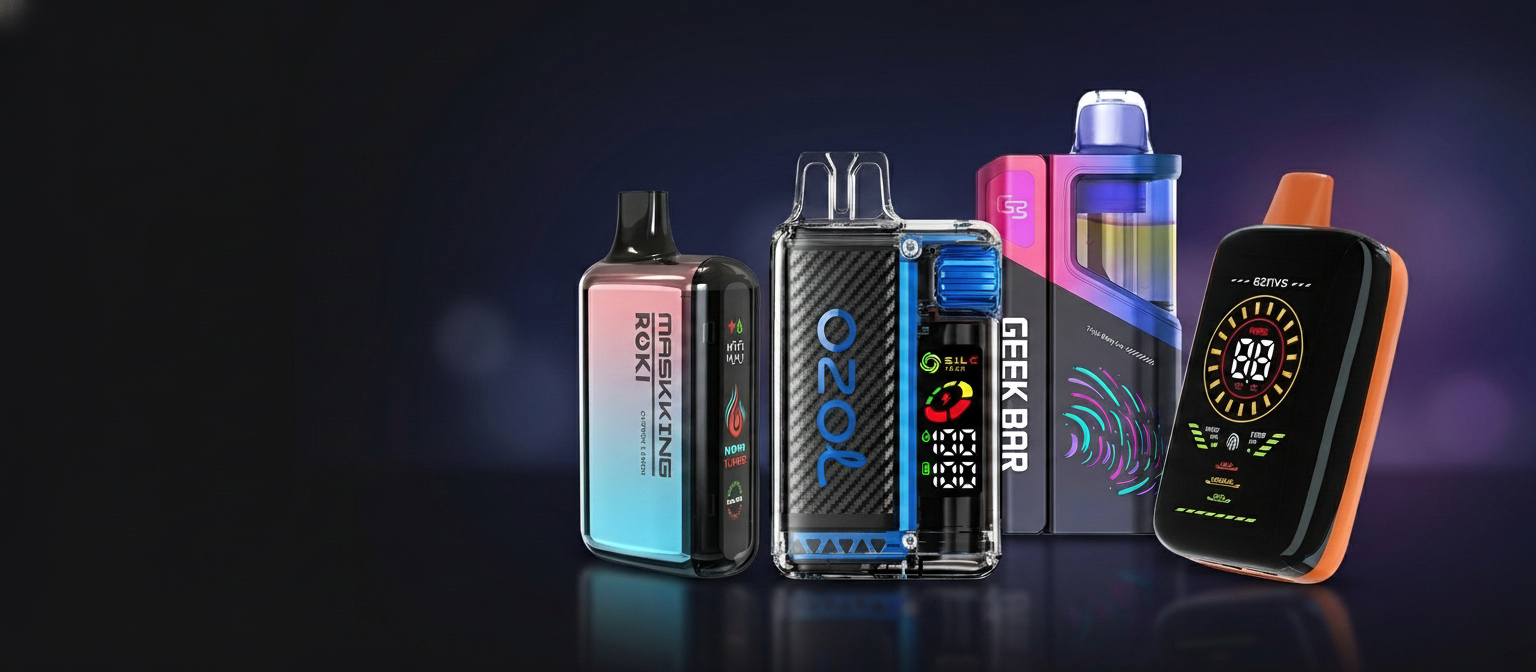
LONDON / WASHINGTON — The global vaping landscape is entering one of its most turbulent regulatory phases in years. Across major international markets, governments are moving simultaneously to tighten age-gating enforcement, introduce new liquid excise duties, and mandate advanced device restriction tech. Meanwhile, new public health datasets reveal that youth usage numbers have dropped significantly, shifting the debate toward how adult smokers transition away from combustible tobacco.
For retailers and manufacturers operating in these corridors, the daily business environment is undergoing a complete overhaul.

The United Kingdom: October Deadlines for Flat Taxes and Promotion Bans
In the UK, the Department of Health and Social Care (DHSC) recently confirmed implementation details for sweeping national retail rules. Starting October 29, 2026, the legal purchasing age for all vaping and nicotine products will be strictly capped at 18 across all four home nations.
The enforcement push extends far beyond simple counter ID checks.
Under the new DHSC framework, local authorities are targeting proxy purchasing—where adults buy e-cigarettes for minors—alongside an outright ban on free product trial samples, promotional giveaways, and heavy retail discount bundling.
Compound these sales bans with the upcoming national Vaping Products Duty, scheduled to take effect on October 1, 2026, and British shop owners are looking at a sudden jump in baseline operational costs. Importers and wholesalers are already adjusting their landed unit pricing to absorb the flat excise tax per milliliter of e-liquid.
The United States: Smart Access Devices and Decade-Low Youth Rates
Across the Atlantic, regulatory shifts are taking a distinctly technological turn. The U.S. Food and Drug Administration (FDA) recently granted Premarket Tobacco Product Application (PMTA) authorizations for novel vaping devices integrated with Device Access Restrictions (DARs).
These tech-locked vapes introduce an entirely new product standard:
- Mandatory Smartphone Pairing: Users must connect their vape via Bluetooth to a dedicated mobile application.
- Biometric Age Check: The system requires a government-issued photo ID combined with facial recognition before unlocking the vape.
- Proximity Disconnect: If the e-cigarette loses connection with the authenticated phone, it automatically locks down, preventing secondary unauthorized use.
While public health groups remain split on whether biometric locks will prevent youth curiosity around sweet flavor profiles, the FDA’s authorization signals a clear shift toward tech-enabled harm reduction.
This regulatory milestone arrives alongside encouraging epidemiological news. According to the latest National Youth Tobacco Survey (NYTS), middle and high school e-cigarette usage in the U.S. has plummeted to approximately 5.2%—marking its lowest point in nearly ten years. Researchers point to persistent public awareness campaigns and tighter retail counter enforcement as key drivers behind the decline.
At the same time, adult health metrics offer a clearer picture of smoking substitution. A federal health data analysis published in JNCI Cancer Spectrum revealed a steady increase in exclusive e-cigarette use among adult former smokers, with “dual users”—those who continue to smoke cigarettes while vaping—accounting for just 2% to 3% of the surveyed population. Public health analysts suggest this migration away from combustible cigarettes could result in measurable drops in smoking-related cancer rates over coming decades.
International Policy Snapshots: Total Bans and Pharmacy Controls
Outside North America and Western Europe, national regulatory strategies continue to diverge sharply:
- Mexico: Authorities are maintaining an absolute ban on the importation, commercial sale, and distribution of all electronic nicotine delivery systems, leaving no legal pathway for commercial retail.
- Germany: The federal government is moving forward with its planned tax schedule, pushing its liquid excise tax rate up to €0.32 per milliliter in 2026.
- Australia: Federal health agencies are keeping a tight grip on pharmacy-only channels. Standard smoke shops and convenience outlets remain legally blocked from selling non-prescription or non-therapeutic vapes to general consumers.
Navigating the New Baseline
Whether through direct import bans in Latin America, strict pharmacy models in Oceania, or heavy liquid taxes across Europe, the global vape market is shedding its early unregulated image. For legitimate operators, surviving this era means embracing strict compliance, upgrading verification tech, and trimming unnecessary supply chain overhead to keep shelf prices sustainable for adult consumers.